Key Takeaways
- Starch is a type of carbohydrate found in many plant foods: Common sources include potatoes, corn, beans, peas, and grains.
- The body breaks starch down into glucose: This process allows starch to be used as a source of energy.
- Not all starches behave the same way: Digestible starches and resistant starches differ in how they are processed by the body.
- Resistant starch functions more like fiber: It passes through the small intestine largely undigested and is fermented in the colon.
- Cooking and cooling can change starch structure: Foods like potatoes, rice, and pasta may contain different amounts of resistant starch depending on preparation methods.
Carbs can be confusing. Since there are so many different types — and a wide variety of foods that contain carbs — it may be hard to know which ones are part of a healthy diet and which ones should be enjoyed more sparingly.
Starchy foods especially fall into this confusing carb category. Are they healthy or are they something to be avoided? Here we’ll help explain what starch is and give guidelines so you can fill your plate with confidence.
What Is Starch?
Starch is one of the three main types of carbohydrates, with the other two being sugar and fiber. Starch is made up of long chains of glucose, which are the building blocks of carbs. Starchy foods are extremely prevalent. In fact, they make up about half of the calories most people eat each day.
Examples of starchy foods include:
- Grains, such as bread products, pasta, and rice
- Some vegetables, including potatoes, corn, and peas
- Legumes, like beans and lentils
- Some unripe fruits, such as bananas and mangoes, contain starch that gradually turns into sugar as they ripen
Like all carbohydrates, the function of starchy foods is to provide your body with energy. The long chains of glucose in starch classify it as a complex carbohydrate. This makes the digestion of starchy foods slower than that of simple carbs due to their high fiber content. As a result of the slower digestion, they provide a more sustained amount of energy for your body as opposed to energy peaks and dips.
This benefits your blood sugar levels and makes certain starchy foods beneficial for people with diabetes, as long as they are within the appropriate carbohydrate amount for that person. The fiber in starchy foods can also help you stay full longer, which could lead to eating fewer calories and therefore helping with weight management.
Are Starchy Foods Healthy?
Whether or not starchy foods are healthy depends on what type you’re eating. Starchy foods that are in their whole, original form are generally healthy for you. As mentioned, those types of starchy foods can be high in fiber and are a rich source of important nutrients, such as B vitamins, magnesium, and zinc.
However, many of the starchy foods that Americans eat today have been highly refined. This means that they have been stripped of many of their natural nutrients like fiber, vitamins, and minerals. So, refined starchy foods aren’t as nutritious as those in their whole and natural form.
Examples of highly refined starchy foods include:
- Products made from white flour, like pizza dough, pasta, and white breads
- Many traditional breakfast cereals
- White rice
- French fries
- Many desserts, such as cookies
- Certain snack foods, like pretzels, crackers, and chips
Those types of starchy foods are best off being limited or avoided in your diet. On the other hand, eating whole grains — like brown rice, whole wheat bread, and whole wheat pasta — as well as fresh or frozen fruits and vegetables, and beans, are much more nutritious versions of starchy foods and should be included as part of an overall healthy diet.
Are There Other Downsides to Starchy Foods?
Another thing to be aware of when eating starchy foods is the potential for acrylamide. Acrylamide is a potentially harmful chemical that can form when certain starchy foods are exposed to high-temperature cooking methods, such as frying and baking. Cooking methods like boiling and steaming do not typically produce acrylamide. The FDA (Food and Drug Administration) reported that foods that are most likely to form acrylamide after high-temperature cooking are:
- potato products (such as french fries)
- grain products (such as bread)
- coffee
The International Agency for Research on Cancer (IARC) states that, based on studies done in animals, acrylamide is a “probable human carcinogen”. However, the good news is that studies done on people suggest that acrylamide from food isn’t likely to be related to risk for the most common types of cancer. The FDA even states that there is no need to avoid foods that may contain acrylamide at this time. Yet more research is needed.
For people who are concerned about acrylamide, here are some tips to follow to reduce your exposure:
- Toast bread products to a light brown color, rather than dark brown.
- Cook potato products to a golden-brown color, and try to avoid charring
- Soak raw potato slices in water for 15-30 minutes before frying or roasting, as this will help reduce acrylamide formation
- Aim to cook foods susceptible to acrylamide until just done, but avoid overcooking them
- Avoid storing potatoes in the refrigerator. Instead, store them in a cool and dark place such as a pantry.
In Summary
Starchy foods can be part of a healthy diet and provide a good source of energy. Many starchy foods also provide fiber, vitamins, and minerals that can benefit things like your blood sugar and weight. The problem with starch only occurs when starchy foods are eaten that have been highly refined and therefore stripped of much of their nutrients. So, when eating starchy foods, try to stick to whole sources like whole grains, beans, and fresh or frozen vegetables.
References:
- American Cancer Society. (2024). Acrylamide and cancer risk: Understanding exposure, industrial sources, and chemical safety. American Cancer Society Risk and Prevention Library.
- U.S. Food and Drug Administration. (2023). Acrylamide and diet: Food storage and food preparation tips to reduce exposure. U.S. Department of Health and Human Services.
- U.S. Food and Drug Administration. (2024). Acrylamide questions and answers: Public health tracking and consumer safety risk assessments. FDA Center for Food Safety and Applied Nutrition.
- Zhu, J., Bai, Y., & Gilbert, R. G. (2023). Effects of the molecular structure of starch in foods on human health. Foods, 12(11), Article 2263.
DISCLAIMER:
These statements have not been approved by the Food and Drug Administration. These products are not intended to diagnose, treat, cure, or prevent disease.


























































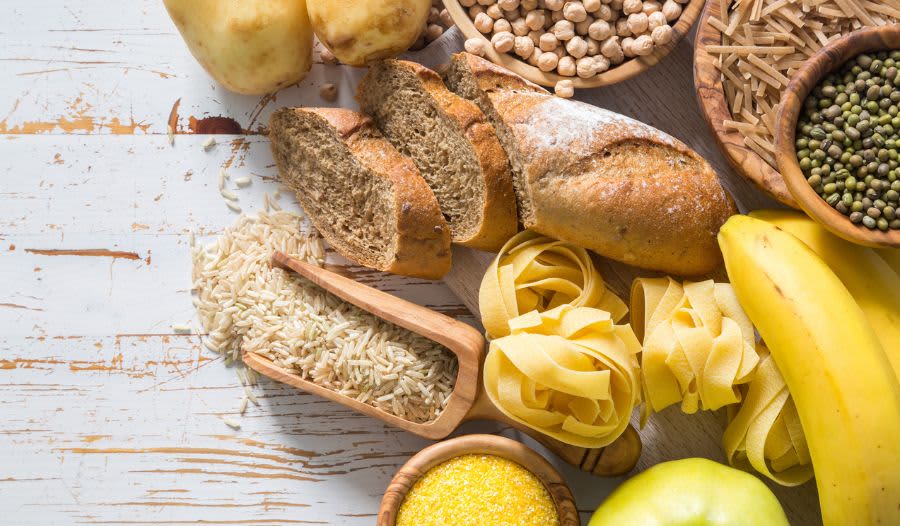
 Table of Contents