What Is A Canker Sore?
Canker sores (or aphthous stomatitis) are single groups of shallow, painful ulcers found in the mouth or gums. Canker sores are extremely common. For most people, they are an occasional inconvenience, but some people deal with recurrent canker sores. People who suffer from recurrent canker sores may develop canker sores up to four times each year.
What Causes A Canker Sore?
A canker sore can be caused by several initiating factors, such as trauma from biting your cheek, a toothbrush, or hard, sharp food, as well as food or chemical allergies/sensitivities (e.g., gluten, dairy, sodium lauryl sulfate, etc.), nutrient deficiency, and stress.
Is A Canker Sore The Same As A Cold Sore?
No. Many people confuse canker sores and cold sores, but they are not the same. Cold sores are a different condition entirely caused by the Herpes simplex virus. Cold sores are highly contagious, and canker sores are not caused by an infection and are not contagious. Cold sores occur when the herpes virus infects or re-emerges, and painful blisters appear on the outside of the mouth, on, above, or below a lip, around the nose, or under the chin.
When To Seek Medical Attention
Canker sores should not last more than two weeks at most. Anything longer may indicate poor nutritional status or other factors that lead to impaired wound healing. Generally, other signs or symptoms are rare with canker sores, but if the lesions are large or deep, or there are multiple sores, they may be accompanied by fever, swollen lymph glands, and general malaise. While canker sores are most often not a serious medical condition, if any of the following circumstances are present, it is important to seek medical attention:
- Canker sores lasting longer than 2–3 weeks
- Frequent recurrence (>3–4 times/year)
- Fever or fatigue
- Large (>1 cm) lesions
Natural Remedies For Canker Sores
Remedy #1 – Bolster Nutritional Status
A nutritional deficiency can first affect the lining of the oral cavity because the cells lining the surface turnover so quickly. Several studies show nutrient deficiencies are quite common in people who suffer from recurrent canker sores. Thiamin, folic acid, B12, B6, iron, and zinc are the most common deficiencies.1-5 Correcting an underlying nutrient deficiency supports the long-term health of the oral lining.
Taking a high-potency multiple vitamin and mineral formula may ensure adequate intake of all the nutrients linked to recurrent canker sores. Still, it is also very worthwhile to take advantage of the soothing properties of a zinc lozenge. Several clinical studies have shown that zinc supplementation (usually 12 to 45 mg elemental zinc daily) supports healthy immune function and tissue repair in the oral cavity.5
Again, if a person has recurrent canker sores, it is important to seek medical attention, as it may indicate an underlying health issue such as nutrient deficiency, iron-deficiency anemia, celiac disease, or inflammatory bowel disease. From a nutritional perspective, I recommend an evaluation of serum ferritin, folate, and B12 levels in people with frequent outbreaks to rule out common nutritional deficiencies.
Remedy #2 – Eliminate Food Allergies
Several studies indicate that food allergies or sensitivities can lead to recurrent canker sores.6 Not surprisingly, avoiding offending foods or compounds in the diet results in a significantly reduced frequency or complete remission in many people dealing with recurrent canker sores.
Common food allergens are gluten and wheat, dairy, eggs, soy, peanuts, and citrus. Eliminate these foods for at least ten days and then reintroduce one of these foods into the diet every two days. Reintroducing an offending food will typically produce a more severe or recognizable sign/symptom than before, allowing for easy identification of a food allergy or intolerance.7
Remedy #3 – Avoid Acidic Foods
Eating acidic fruits and vegetables and fermented vegetables may cause a canker sore to appear or irritate and worsen the lesion. Grapefruit, lemons, oranges, pineapples, and tomatoes are common high-acid foods that may aggravate canker sores and lead to additional eruptions.
Remedy #4 – Be Careful With Hard Or Sharp Foods
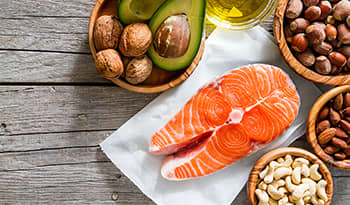
In addition to toothbrushes, foods like nuts, chips, and other sharp snack foods can damage healthy tissues and cause canker sores or disrupt the healing process of existing sores. Be careful when eating these foods, and if dealing with an active canker sore, consider avoiding them altogether.
Remedy #5 - Avoid Sodium Lauryl Sulfate In Dental Hygiene Products
Sodium lauryl sulfate (SLS) is a common detergent added to toothpaste to create a foaming action when we brush our teeth. SLS can irritate the lining of the mouth and cause canker sores.8 Most major toothpaste brands use SLS. Fortunately, there are natural toothpaste options that are SLS-free.
Remedy #6 – Warm Saltwater Rinse
A warm saltwater rinse for canker sores is a time-honored home remedy. It works wonders. The warm saltwater coagulates the lesion and also has soothing properties. Combine a teaspoon of sea salt with four ounces of warm water. Swish the solution in the mouth for 30 seconds, then spit it out. It can be done up to three times a day until normal oral comfort is restored.
Remedy #7 – Deglycyrrhizinated Licorice (DGL)
DGL (deglycyrrhizinated licorice) is a special extract of licorice where the compound glycyrrhetinic acid is removed to avoid any issue with increasing blood pressure. DGL contains flavonoid compounds that can help soothe the lining of the mouth and the rest of the gastrointestinal tract. DGL has been shown to significantly support the comfort and integrity of the oral lining. In one study, 15 of 20 subjects with canker sores experienced 50 to 75% improvement within one day, followed by improved oral comfort by the third day. Chew one or two chewable tablets of DGL twenty minutes before meals.
Remedy #8 – Aloe Vera
Ancient people worldwide long favored the aloe vera plant for its soothing properties. Aloe vera gel contains nutrients and phytochemicals, and much-needed tissue nourishment. Mix one ounce of Aloe Vera 100% Gel and 2.5 ounces (a shot) of water, and swish in the mouth for one minute, and it can be swallowed. Do this approach up to three times a day.
Remedy #9 –Honey
Manuka honey has shown significant benefits in several clinical studies. This honey contains methylglyoxal (MGO), a bioactive compound that provides stable purifying and mucosal soothing activity. Preparations standardized to a Unique Manuka Factor (UMF) rating of 10–15+ (≈ MGO 250–400) have demonstrated the greatest benefit in soothing the oral lining. For best results, use Manuka honey with a rating of UMF 10–15+ and apply to lesions or use oral lozenges three times daily.
Remedy #10 – Vitamin B12
Vitamin B12 plays a critical role in maintaining the health of rapidly dividing epithelial tissues, including the lining of the oral cavity. A randomized, double-blind, placebo-controlled trial demonstrated that supplementation with 1,000 mcg of sublingual vitamin B12 daily significantly reduced the duration of outbreaks and supported oral comfort and mucosal health — even among participants with normal baseline vitamin B12 levels.12 These findings suggest that vitamin B12 may exert a soothing and supportive effect. Individuals with frequent canker sores may benefit from daily supplementation with 1,000 mcg of methylcobalamin, the most active form of B12, in the form of a sublingual or chewable tablet.
Takeaway
An occasional canker sore may result from trauma, and that trauma sometimes occurs completely unnoticed. A warm saltwater rinse may be the simplest and best approach in that circumstance. However, in people with recurrent canker sores, each of these recommendations may be necessary to support long-term oral health and maintain comfort during periodic outbreaks.
References:
- Wray DW, Ferguson MM, Hutcheon AW et al. Nutritional deficiencies in recurrent aphthae. J Oral Path 1978; 7: 418–423
- Nolan A et al. Recurrent apthous ulceration. Vitamin B1, B2, and B6 status and response to replacement therapy. J Oral Pathol Med 1991; 20: 389–391
- Wray D, Ferguson MM, Mason DK et al. Recurrent aphthae: treatment with vitamin B12, folic acid, and iron. Br Med J 1975; 2: 490–493
- Chiang CP, Yu-Fong Chang J, Wang YP, Wu YH, Wu YC, Sun A. Recurrent aphthous stomatitis - Etiology, serum autoantibodies, anemia, hematinic deficiencies, and management. J Formos Med Assoc. 2019;118(9):1279-1289.
- Halboub E, Al-Maweri SA, Parveen S, et al. Zinc supplementation for prevention and management of recurrent aphthous stomatitis: a systematic review. J Trace Elem Med Biol. 2021;68:126811.
- Wardhana, Datau EA. Recurrent aphthous stomatitis caused by food allergy. Acta Med Indones. 2010;42(4):236-240.
- Hay KD, Reade PC. The use of an elimination diet in the treatment of recurrent aphthous ulceration of the oral cavity. Oral Surg 1984; 57: 504–507
- Alli BY, Erinoso OA, Olawuyi AB. Effect of sodium lauryl sulfate on recurrent aphthous stomatitis: A systematic review. J Oral Pathol Med. 2019;48(5):358-364.
- Das SK, Gulati AK, Singh VP. Deglycyrrhizinated liquorice in aphthous ulcers. J Assoc Physicians India 1989; 37: 647
- Gok Metin Z, Helvaci A, Gulbahar Eren M. Effects of Aloe vera in adults with mucocutaneous problems: A systematic review and meta-analysis. J Adv Nurs. 2021;77(3):1105-1126.
- Carter DA, Blair SE, Cokcetin NN, et al. Therapeutic manuka honey: No longer so alternative.Front Microbiol. 2016;7:569.
- Volkov I, Rudoy I, Freud T, et al. Effectiveness of vitamin B12 in treating recurrent aphthous stomatitis: A randomized, double-blind, placebo-controlled trial. J Am Board Fam Med. 2009;22(1):9-16.
DISCLAIMER:
These statements have not been approved by the Food and Drug Administration. These products are not intended to diagnose, treat, cure, or prevent disease.
























































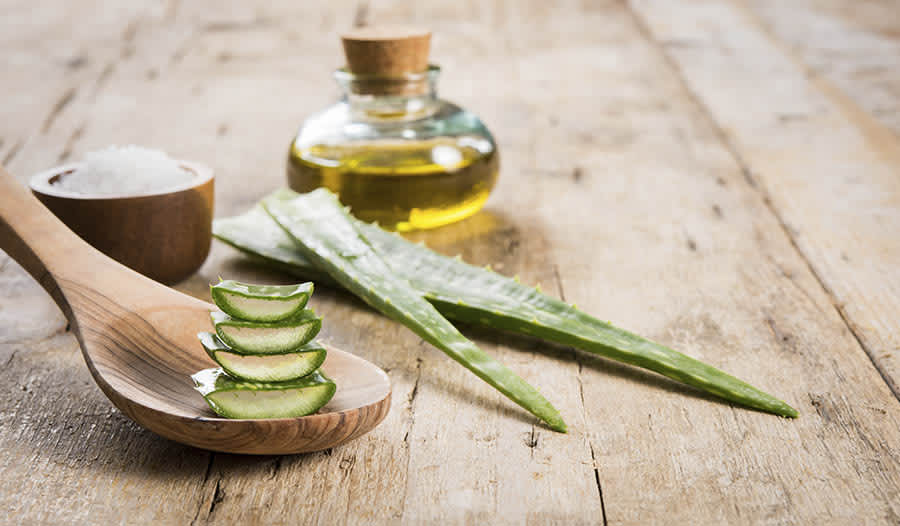
 Table of Contents